A garage door is one of the biggest relocating parts in any type of home, and among the most convenient to underestimate. Individuals see color, panel design, and curb allure initially. What they usually miss is how much that solitary door influences day-to-day comfort, safety, sound degrees, energy usage, and even resale value. An inadequately selected or improperly set up door can rattle the entire front elevation, leak warmth in winter, pressure the opener, and develop security issues that appear at the most awful possible time.
Modern homes position even more demands on garage doors than older homes did. Today's garages are usually affixed to living rooms, positioned plainly on the front façade, and used as workshops, fitness centers, storeroom, shipment decline zones, or additional entries. That transforms the requirement. A door that served twenty years ago might feel loud, flimsy, and thermally weak in a newer build or renovation. Garage door setup currently sits at the junction of design, building envelope performance, automation, and long-term serviceability.
The right setup begins long prior to the very first bracket is attached to the wall surface. It begins with choosing the correct door system for your home, determining the opening properly, comprehending spring and track requirements, and picking an opener that matches the weight and usage pattern of the door. This is where experience issues. The majority of problems that later result in garage door repair are not arbitrary failures. They are normally the result of an inequality somewhere in the original setup.
What modern property owners in fact require from a garage door
The expectations are greater currently, and for good factor. House owners want silent procedure since bed rooms might sit above or next to the garage. They desire insulation since garages commonly share wall surfaces with conditioned areas. They desire a tidy look that collaborates with modern style, whether that suggests flush steel panels, carriage-house designing, narrow home windows, or full-view glass. They want smart controls, reputable back-up access, and security functions that do not feel outdated.
That mix narrows the area rapidly. A fundamental non-insulated frying pan door may still make good sense for a separated outbuilding in a moderate environment, but it is a poor fit for many affixed garages in modern homes. In practice, many homeowners are happiest with a sectional steel door using either polyurethane or polystyrene insulation, resilient perimeter weather condition seals, and heavy-duty hardware that can deal with frequent cycles without transforming every open-close into a metal event.
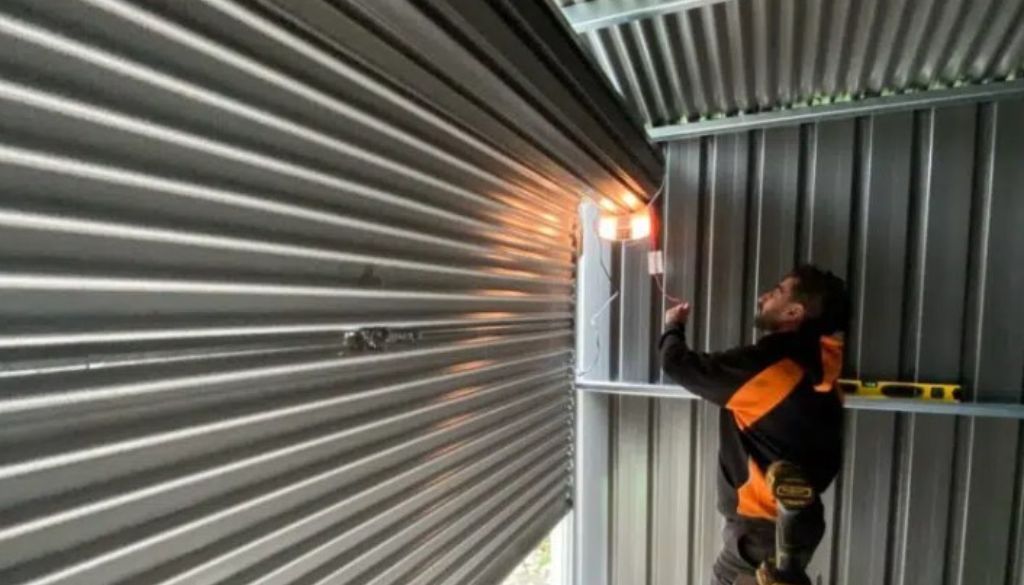
Material option matters as well. Steel remains the dominant option because it stabilizes price, strength, and low upkeep. Aluminum and glass systems fit modern design perfectly, however they act in different ways in genuine use. They can be superb in temperate climates and design-forward homes, though they normally give less insulation unless defined meticulously. Wood still uses unparalleled warmth and character, yet it needs regular maintenance and adds significant weight, which affects spring sizing, opener tons, and lasting solution needs.
The dimensions that determine whether the job goes smoothly
Garage door installment is not flexible of loose measurements. A salesperson or installer that rushes the study can produce troubles that appear on distribution day, or worse, months later on as the system uses unevenly. Size and elevation are obvious, but they are inadequate. Clearance, side area, and backroom all impact track design, springtime type, and opener compatibility.
Headroom is the room between the top of the opening and the ceiling or any type of blockage above it. This location identifies whether a basic torsion system will certainly fit easily or whether a low-headroom configuration is required. Side room impacts where upright tracks, flag brackets, and spring hardware can be mounted. Backroom matters since the horizontal tracks and opener rail need clear traveling room. Modern garages typically consist of ceiling storage space racks, ductwork, lights, or architectural declines, and these functions can complicate what resembles a basic install from the driveway.
An irregular floor is one more usual concern. Concrete garage pieces usually slope toward the outside for drain, and some settle gradually. A new door can be perfectly square and still show light at one base corner if the piece is out. A skilled installer prepare for this with lower seal selection, track placement, and in some cases minor door changes. Home owners usually assume a visible gap means the door is defective. Regularly, it discloses a floor condition that the installation has to accommodate.
Picking the appropriate door for the opening and the house
There is no global ideal garage door, just the best fit for a particular home and usage pattern. A three-car rural garage that functions as the family's main point of entry requires a different setup than a customized yard garage in a premium city infill job. Appearance matters, but performance and service life issue more after the novelty of a new Discover more here appearance wears off.
Insulation is worth recognizing rather than buying by label alone. Greater R-values can assist, especially in serious environments, but the overall comfort of a garage relies on greater than the center-of-panel ranking. Area joint style, perimeter seals, glazing top quality, and the thermal connection between the garage and the rest of the home all matter. A well-installed shielded door with suitable sealing usually exceeds a nominally higher-rated door that is loosely fitted or coupled with bad weatherstripping.
Window placement deserves believed too. Glass can raise the appearance of a home significantly and bring daytime right into the garage, but it alters privacy, warm gain, and street-facing presence. Frosted or odd glass frequently strikes the appropriate balance. In homes where the garage doubles as a pastime area, natural light can make the space much more useful without requiring the proprietor to maintain the door open.
Wind resistance is not just a seaside issue. In many regions, code needs for reinforcement have actually ended up being more certain. If the home sits in a high-wind area, the door may need larger scale elements, more powerful track sustains, or a rated setting up examined as a system. This is one location where replacing parts to save money can backfire. A garage door is not just a panel that moves up and down. In a serious tornado, it becomes part of the structure's structural defense.
Why the springtime system is the heart of the installation
If property owners keep in mind one technical point, it ought to be this: the opener does not raise the complete weight of the garage door by brute force. The springtime system balances the door, and the opener guides that balanced lots. When the springtimes are sized properly, the door should feel manageable by hand and hug mid-travel without drifting strongly. When the springs are incorrect, everything else suffers.
Torsion springs are the preferred system in a lot of modern household installations due to the fact that they supply smoother control and are usually a lot more durable and functional than expansion springtimes. Correct springtime option depends on door weight, door height, drum size, lift type, and expected cycle usage. That is not guesswork. The door should be considered or defined precisely, especially when custom-made materials, insulation bundles, or glazing include considerable mass.
This is also where safety and security comes to be non-negotiable. Garage door spring substitute is among the much more unsafe solution jobs in residential work. Springs shop a surprising amount of power, and mistakes can cause serious injury. Home owners typically see a door being mounted and think the springs are simply another accessory. They are not. They are a packed mechanical system under tension, and they require correct tools, treatments, and experience.
In homes where the garage functions as the primary family entrance, cycle life deserves special focus. A conventional spring set might be ranked for around 10,000 cycles, which can be sufficient for moderate use. A busy home that unlocks 6 to eight times a day can consume that life much faster than expected. Upgrading to higher-cycle springs at installation typically sets you back far less than dealing with early failing and emergency situation solution later.
The opener should match the door, not the marketing
A garage door opener is easy to overshop and simple to misunderstand. Horsepower scores control advertising and marketing, but also for modern homes, the drive type and function set commonly matter more than raw power. An effectively balanced door does not need an extra-large opener. It needs a trusted one that is suited to the door's weight, building, and expected use.
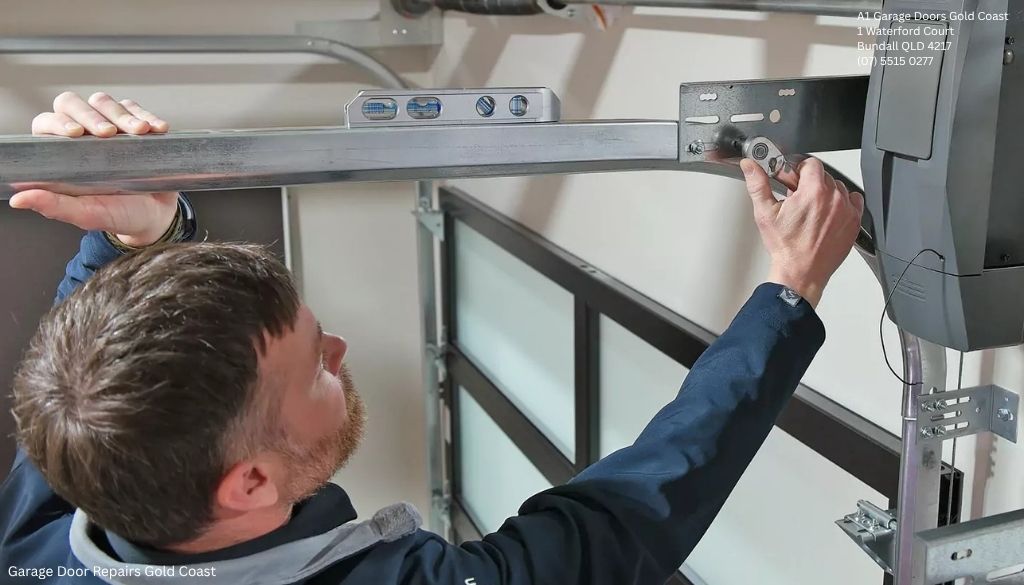
Belt-drive systems are prominent for connected garages because they run quietly. That matters if there is living room over the garage, and lots of home owners observe the distinction quickly. Chain-drive devices remain dependable workhorses and can be a wise option in removed garages or budget-conscious projects. Wall-mount, or jackshaft, openers are especially useful in garages with limited ceiling room, high-lift track systems, or style goals that favor a tidy ceiling for storage or lighting.
Smart connectivity can be genuinely useful when executed well. Remote surveillance, delivery access, organizing, and activity informs are functional features, not tricks, for lots of homes. Still, the core mechanical functions matter extra. Soft beginning and quit reduce wear and sound. Battery backup aids during blackouts. Rolling-code security is basic and needed. Security turning around sensing units should be straightened appropriately, not dealt with as an afterthought.
A dissimilar opener typically reveals itself with strain, jerky travel, or early part wear. When homeowners ask for garage door repair after a brand-new mount, the trouble is usually mapped back to stabilize issues or an opener chosen for comfort rather than system compatibility.
What happens throughout a proper installation
An excellent setup has a rhythm to it. The old door appears meticulously, tracks and springs are eliminated securely, the opening is inspected, and the framework is looked for integrity and plumb. Rotten jamb material, loosened support factors, or cracked mounting surface areas must be resolved prior to the brand-new equipment rises. Missing that action is a false economy. Fresh bolts right into weak framing do not develop a trustworthy system.
The brand-new sections are then stacked and connected, tracks are straightened, torsion hardware is installed, and the springtimes are wound to the correct stress. Wires must seat easily, drums have to be established equally, and the door should be checked for balance by hand prior to the opener is involved. That solitary detail tells a seasoned service technician nearly every little thing concerning the high quality of the arrangement. If the door is hefty at the floor, wants to shoot up, or binds in travel, the system is not ready.
Only after the door relocates efficiently ought to the opener be set up and set. Restriction setups, pressure setups, photo-eye alignment, and auto-reverse response all need to be confirmed. Then comes sealing and completing work. Bottom seal contact, boundary vinyl or rubber weatherstripping, and trim placement all impact long-lasting performance.
A well-run installment normally consists of these final checks:
The door is balanced by hand and remains regulated with its travel. Tracks are plumb, level where called for, and devoid of twist or squeeze points. The opener reverses effectively and safety sensing units react as intended. Seals stick around without too much drag or noticeable daytime around the perimeter. Fasteners, joints, braces, and springtime hardware are rechecked after cycling.That last pass is where workmanship shows. A garage door can show up functional while still lugging tiny issues that develop sound, wear, or service calls later.
Common blunders that cause problem later
Some installment troubles are noticeable on day one. Others take a season or more to emerge. One constant blunder is ignoring the relevance of reinforcement. Light-weight modern doors, specifically vast double doors, still require appropriate bracing at key points. The top area, where the opener arm affixes, is a common failing place when support is inadequate.
Another concern is bad track geometry. Tracks needs to lead the rollers, not require the door into place. If the upright and straight track connection is off, the door might bind, squeal, or put on rollers erratically. Home owners usually react with lube, which can mask the symptom for some time without solving the origin cause.
Weather sealing is likewise mishandled more frequently than it should be. Installers often concentrate on the significant hardware and hurry the border coating. Yet little side gaps can let in wind, dirt, water, and bugs. On contemporary homes with tighter structure envelopes, those information matter a lot more. A garage attached to conditioned room must not behave like a loosely closed shed.
Finally, there is the lure to recycle marginal parts from the previous system. Reusing an old opener with a heavier shielded door, or keeping used assistance equipment since it "still works," is one of the fastest means to reduce the life of a brand-new installment. Saving a little upfront can develop repeated domestic garage door repair sees that set you back more overall.
Repair versus substitute, and when installation is the far better move
Homeowners typically start by asking whether they require garage door repair or a full replacement. The answer depends upon age, condition, parts schedule, and efficiency goals. If the door structure is audio and the concern is isolated, such as a harmed roller, cable television change, sensing unit issue, or garage door opener malfunction, repair might be practical. If the door has multiple failing components, poor insulation, panel damage, rust, or chronic balance issues, replacement is normally the cleaner lasting decision.
Garage door springtime substitute sits in the middle of that decision tree. Springs are wear items, and changing them on an otherwise strong door is regular. However if the springs fail on an old, loud, non-insulated door with curved tracks and a struggling opener, spring replacement alone might only delay a larger expense.
Commercial buildings offer a relevant but various calculation. Industrial garage door repair usually focuses on downtime and obligation cycle over looks. A store solution bay or storehouse opening might warrant much heavier elements, faster drivers, and much more constant preventative upkeep. The concepts of balancing, right sizing, and appropriate mounting continue to be the same, but the effects of failing are usually extra prompt since company procedures depend upon the door.
Style, curb appeal, and architectural fit
Modern homes benefit from a garage door that looks willful, not common. That does not always suggest remarkable. Occasionally the best option is a peaceful flush panel in a shade that blends with the cladding. In other cases, the garage door is large sufficient that it should end up being a made attribute, utilizing vertical grooves, slim sightlines, or purposefully positioned glazing to echo the windows of the home.
Color choice should have more thought than many buyers offer it. Dark colors can festinate, especially on modern outsides, but they absorb warm and may show dirt more readily. Texture additionally changes understanding. Smooth panels really feel crisp and building. Woodgrain embossing can soften a large elevation and work well on transitional homes.
One practical note from the field: vibrant style options age in different ways than neutral ones. Property owners preparing to remain for years might enjoy an extra distinct appearance. Those considering resale in the near term often do better with a door that feels current however generally appealing.
Maintenance starts on installment day
A new door ought to not require much beyond routine examination, cleansing, and lubrication of the proper points, however the upkeep story begins with the first configuration. A door that is well balanced, aligned, and appropriately secured will stay quieter and much safer with much less treatment. A door that starts life slightly out of tune has a tendency to wander further.
Homeowners can protect their financial investment with a brief regimen:
Watch and listen to the door regular monthly for new sound, doubt, or uneven motion. Test the auto-reverse system and photo-eye sensors on a normal schedule. Keep tracks clear and tidy, but prevent heavy grease where it draws in debris. Have springtimes, wires, rollers, and balance inspected expertly yearly or two. Address small problems early before they develop into emergency garage door repair.That strategy is particularly important for family members that use the garage as the key entrance. High-use doors do not typically stop working without caution. They signal wear through sound, speed changes, or noticeable pressure long prior to a major malfunction occurs.
Choosing the installer matters as much as choosing the door
Even a superb door can choke up if the installation is hurried. When assessing contractors, search for clear determining procedures, created requirements, discussion of springtime cycle alternatives, and a readiness to describe opener compatibility. An excellent installer does not simply estimate a panel style and a rate. They ask exactly how the garage is utilized, whether the area is affixed or removed, what environment conditions matter, and what degree of sound regulate the house expects.
It is additionally smart to ask who will certainly take care of solution if something needs adjustment after the install. The truth of relocating systems is that fine-tuning is in some cases required after a couple of weeks of operation, especially with seasonal temperature level swings and working out seals. Reputable follow-up divides a specialist operation from a box-drop setup model.
For homeowners contrasting bids, the most affordable proposal typically cuts surprise essentials: lighter springtimes, thinner steel, lower-cycle hardware, minimal climate sealing, or a standard opener paired with a premium-looking door. Those choices may not be apparent from a brochure picture, but they become obvious in daily use.
A garage door is a lasting mechanical assembly affixed to the front of the house. It must open smoothly, seal firmly, run silently, and fit the architecture without attracting attention for the incorrect factors. When the installment is done properly, the majority of house owners quit thinking of the door altogether, which is exactly the result they need to want.