A garage door looks basic from the driveway. It increases, it boils down, and if it is quiet and well balanced, nobody assumes much concerning it. From the installer's side, it is one of the much more unforgiving systems on a residence or business structure. A garage door setup ties together structural anchoring, moving hardware, springtime tension, opener settings, electric security, weather condition sealing, and day-to-day individual habits. When one part is off, the whole setting up tells on itself. It rattles, binds, turns around, sags, or burns through parts years previously than it should.
That is why so many expensive callbacks trace back to a small blunder made on the first day. I have actually seen brand-new doors scratch fresh jambs since the opening was never ever checked for plumb. I have seen openers condemned for sluggish travel when the actual trouble was an out of balance door. I have actually also seen home owners spend cash on duplicated garage door repair due to the fact that the original setup missed fundamental placement and reinforcement.
If you are planning a brand-new installation, changing an aging system, or supervising work on a household or industrial home, these are the blunders worth avoiding.
Treating the opening like a basic size when it is not
One of the most typical mistakes takes place before the vehicle is unloaded. People think the rough opening matches the nominal door size. On paper, a 16-by-7 door sounds straightforward. In the area, masonry may run out square, mounting may have worked out, and the header might not supply sufficient bearing surface for the springtime system and track support.
A garage door does not forgive an opening that is somewhat incorrect. Even a half-inch concern can show up as irregular spaces at the floor, loud roller travel, or premature wear on joints and tracks. In older homes, the flooring frequently slopes towards the facility or one corner. In light industrial buildings, block walls can look right until you set a long level versus them.
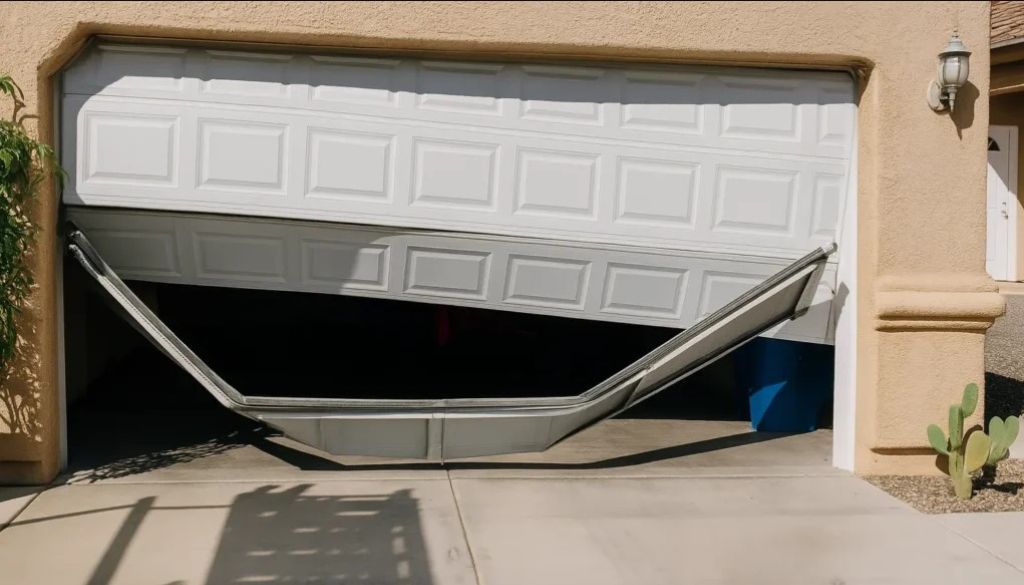
The ideal technique is to determine width, height, side space, headroom, and back space, then contrast those numbers to the specific door and hardware bundle being set up. That matters much more when a garage door opener becomes part of the task, because opener rail length, mounting elevation, and clearance all depend upon the readily available space.
A real-world example: a house owner when bought a protected steel door online after determining only the opening size and elevation. When the installer showed up, there was not enough clearance for the conventional torsion arrangement since an ended up ceiling went down less than expected near the header. The work developed into a hold-up, a special-order low-headroom set, and added labor that erased the original savings.
Choosing the wrong door for the building's actual use
A garage door is not simply a panel that fits the opening. The right selection depends upon cycle regularity, environment, direct exposure, insulation demands, wind load, and who utilizes the door on a daily basis. A hefty wood-look door may look outstanding on a residence, yet if the family opens and closes it eight or ten times a day, that included weight changes springtime sizing, opener requirements, and lasting maintenance needs. On the industrial side, a door that looks resilient enough may still be the wrong choice if forklifts, distribution website traffic, or shift adjustments mean lots of cycles per day.
This is where individuals create future garage door repair problems without realizing it. They choose design first and system efficiency secondly. That decision usually appears later on as noisy procedure, opener pressure, or equipment fatigue.
For property garage door repair calls, one pattern turns up typically: an attractive door was installed with a lightweight opener and minimal reinforcement. It works at first. After that seasonal development, vibration, and regular usage start to flex the top area. Over time, the opener arm starts pulling on a weakened add-on point. The proprietor listens to standing out or sees the leading panel bow throughout traveling. The problem gets referred to as an opener issue, yet the source is a dissimilar installation package.
Commercial garage door repair informs a comparable story at a bigger range. A rolling steel or sectional door mounted in a busy service bay needs equipment made for high cycles and influence resistance. If the job makes use of standard-grade parts to strike a budget plan target, the building spends for it later on in downtime and repeat service.
Underestimating springtime layout and tension
Springs are not a device. They are the counterbalance system that makes the door usable. When they are picked correctly and established effectively, the door feels controlled and steady. When they are wrong, whatever else suffers.
A blunder I still see is treating springtime choice as if just door size and height matter. Weight matters just as much, frequently much more. The precise panel building and construction, insulation, glazing, struts, and equipment all affect the overall lots. A heavier insulated door with windows can vary significantly from a fundamental uninsulated design of the very same size.
Improper spring sizing develops a domino effect. The opener functions harder, rollers use quicker, cables bring irregular lots, and the door might not stay at mid-travel when disconnected. That last examination, very carefully executed by an experienced installer, informs you a lot. A well balanced door must hold fairly stable around waist or upper body height. If it races upwards or drops hard, the springs are wrong or incorrectly adjusted.
This is likewise why Garage door spring replacement should never ever be dealt with as a laid-back add-on for somebody without training and the appropriate winding tools. Springs store substantial energy. Injuries occur quick when stress is launched suddenly or winding bars are utilized incorrectly. Also when nobody obtains pain, poor spring job typically creates persisting solution concerns that set you back more than doing it right the initial time.
Using the opener to make up for a negative door installation
A garage door opener exists to guide and automate movement, not to drag an improperly set up door with its cycle. This is among the clearest markers of inexperience. If the door binds, feels heavy, or travels unevenly by hand, no opener adjustment is going to make it healthy.
I have seen installers raise pressure setups due to the fact that the door stalls near the header. That may obtain the door relocating, yet it does not resolve the problem. Typically the underlying concern is just one of three points: track placement is off, the spring equilibrium is wrong, or the leading section geometry is pulling the door into a bad course as it transitions from vertical to horizontal track.
An appropriately mounted garage door must relocate efficiently by hand prior to the opener is attached. Just afterwards should the garage door opener be placed, travel limits set, pressure readjusted according to manufacturer guidance, and security reversal examined. If the opener is working hard sufficient to seem stretched, something upstream is wrong.
This point matters for security as well as longevity. An opener masking a mechanical trouble may still shut the door, but the security reverse system ends up being less foreseeable when force setups are used to overpower resistance.
Ignoring structural support where it matters most
Modern garage doors, particularly broader protected models, place actual lots on attachment factors. The center bearing plate, end bearing plates, flag brackets, straight track sustains, and opener bracket all rely on audio framing or appropriately prepared structural surface areas. Fastening into weak trim, fractured stonework, or small framework is an invitation for motion and failure.
This is specifically essential in retrofit work. The opening might have water damages, termite damages, divided jambs, or old jumble from earlier installations. Cosmetic surfaces can hide architectural weakness. An installer that hurries this action might obtain the door up and running, yet after a season of usage the hardware starts to change. That is when tracks befall of placement, lag bolts loosen, and the door begins to seem rough.
Wider doors generally need reinforcement at the top area where the opener arm connects. Without it, duplicated drawing pressure can distort the panel skin or stile. On wind-prone homes, the requirement for appropriate supporting and code-compliant hardware becomes a lot more important. A door is a large moving wall. It needs to be treated accordingly.
Misaligning tracks, after that really hoping the rollers will certainly put on in
Tracks are overviews, not clamps. They require to be right, degree where proper, plumb where required, and spaced properly relative to the door sections. If one side is somewhat tighter than the other, the rollers tell the tale right now. You listen to chatter, you see irregular wear, and the door might think twice at the very same factor every cycle.
A surprising variety of installment issues come from the presumption that rollers will "break in" and smooth things out. Great equipment does clear up a little with usage, however it does not proper misalignment. Actually, continued procedure on misaligned tracks has a tendency to use rollers, joints, and bearings much faster, which presents extra play into the system and intensifies the symptoms.
One sign of problem is daylight that changes throughout the side seal as the door relocations. Another is a top section that shows up to turn a little near full open. In technique, these concerns commonly trace back to tracks that were installed quickly without checking spacing at numerous points.
For business garage door repair, track errors become much more disruptive because much heavier doors enhance every little variance. What may be a hassle on a property door ends up being a shutdown problem on a storehouse bay.
Skipping seal and water drainage details
A garage door can be perfectly aligned and still stop working the customer if water, dust, or drafts pour via the border. Weather condition sealing is not the glamorous component of garage door installment, yet it is just one of one of the most visible once the first hard rainfall hits.
Installers make mistakes below in 2 instructions. Some overlook the floor condition and assume a conventional bottom seal will comprise the difference. Others overcompress seals in an effort to conceal a bad fit, which boosts rubbing and can influence door traveling. The right solution relies on the flooring profile, regional climate, and door type.
Older garages commonly have worked out slabs with a dip in the facility. Because situation, a large bottom seal may assist, but only reasonably. If the flooring variation is extreme, the better remedy might entail threshold therapy or slab modification instead of asking the door to resolve a concrete problem.
Side and top seals are entitled to equivalent interest. If they are placed too tight, they drag and use rapidly. As well loose, and the owner obtains light gaps, wind noise, and parasite entrance. On shielded doors, poor securing can likewise undercut the energy benefit the customer paid for.
Forgetting the small hardware that protects against huge headaches
Not every costly failure begins with a significant mistake. Some begin with a missing fastener, an under-torqued set screw, or a cord drum that was not seated cleanly. A garage door system relies on garage door maintenance numerous small elements working together. When even one is overlooked, the impacts compound over time.
This is why experienced crews establish habits that look almost obsessive to outsiders. They recheck established screws. They confirm cable tension side to side. They make certain hinges are mounted in the best sequence. They confirm that curved and horizontal track joints are smooth. They check roller stems, birthing plates, and springtime support points before final operation tests.
Most of those details are undetectable to the consumer on setup day. They come to be extremely noticeable 6 months later on if skipped.
Rushing last testing and handoff
A garage door job is not complete when the door opens once and shuts as soon as. Final screening is where concealed installment errors reveal themselves. The door must be cycled several times. Manual balance must be examined. The opener needs to be checked for travel restrictions, force setups, photo-eye feedback, and call turnaround. Locks, if present, need to be confirmed disengaged and plainly comprehended by the user.
This handoff is likewise where several service phone calls could be prevented. Owners require to recognize what regular audios are, what indication to look for, and what upkeep is suitable. They ought to recognize that loud bangs, jerky traveling, unequal spaces, or a door that all of a sudden feels hefty are not issues to disregard. In many cases, very early interest can turn a significant repair right into a minor adjustment.
The exact same chooses industrial residential properties. Facilities staff should recognize that is licensed to run, examine, and record problems on each door. A quick orientation can stop damage from a person compeling a lock, bumping a bottom section with tools, or trying a risky reset after a spring or cord issue.
Trying to conserve money on the wrong parts of the job
Every setup has a spending plan, and clever cost control issues. The problem comes when the task saves cash in places that straight influence security and life span. Cheaper rollers, thinner track, undersized springtimes, low-cycle hardware, and deal openers typically look appropriate on a quote. They rarely look appropriate after a year or 2 of genuine use.
Where savings do make good sense depends on the circumstance. A detached household garage made use of a few times a day might not need premium features across the board. An active family members garage with living area above it normally gain from quieter rollers, better insulation, and an opener created for smoother starts and quits. A high-cycle industrial opening must be checked out via the price of downtime, not just purchase price.
One of the much more costly lessons for proprietors is that changing fell short budget plan elements later on commonly costs more than updating throughout installment. Labor, solution calls, disruption, and piecemeal compatibility issues accumulate quickly.
Overlooking safety and security tools and code-related requirements
Safety is where faster ways come to be unacceptable. Picture eyes should be properly placed, straightened, and evaluated. Hands-on release access have to be practical. Pinch factors, springtime assemblies, and moving hardware all need proper protecting factors to consider based upon the application. Wind-load demands, fire door demands, and regional code assumptions can likewise influence equipment and installation methods.
This location is easy to mishandle when a project copies what existed before without asking whether existing criteria or usage conditions have actually altered. An old door might have run for years with marginal safeguards. That does not make it a design for a new installation.
For mixed-use structures and business properties, code-related issues come to be much more complex. The door itself, the operator, the controls, and the emergency situation features may all lug demands relying on occupancy and use. That is another factor experienced commercial garage door repair and installment teams bring worth past the hardware itself. They recognize where the threats usually hide.
The indication that point to installment trouble
If a brand-new door is currently showing issues, the signs and symptoms tend to be fairly regular. These are the indicators I would take seriously early, before minor adjustments develop into damaged equipment:
The door feels hefty or will not stay near mid-travel when disconnected from the opener. The opener strains, jerks, or requires high pressure settings to complete a cycle. You hear scratching, popping, or repeated rattling at the same factor in travel. Gaps at the flooring or side seals are uneven and adjustment noticeably as the door moves. The top area bows, spins, or shudders when the opener starts pulling.
None of these needs to be written off as regular burglary actions on a fresh installation.
A much better means to approach the project
Good garage door setup is much less regarding speed and even more concerning sequence. The staff that avoids callbacks usually operates in a regimented order and rejects to allow one component compensate for another.
An audio process usually consists of the following checkpoints:
Verify the opening, framing condition, clearances, and floor profile before completing hardware. Match the door, spring system, and opener to actual door weight and anticipated cycle use. Set tracks, bearings, cords, and springtimes with mindful focus to alignment and balance. Connect and tune the garage door opener only after the door operates efficiently by hand. Test the full system, including seals and security devices, after that explain operation and warning signs to the owner.
That sequence is not glamorous, yet it protects against an amazing variety of failures.
Why experience matters greater than package label
Manufacturers give the parts, however setup judgment is what makes a door dependable. 2 teams can function from the exact same item pile and produce really different end results. One door glides silently for years. The other comes to be a frequent garage door repair client before the paint scent is gone.
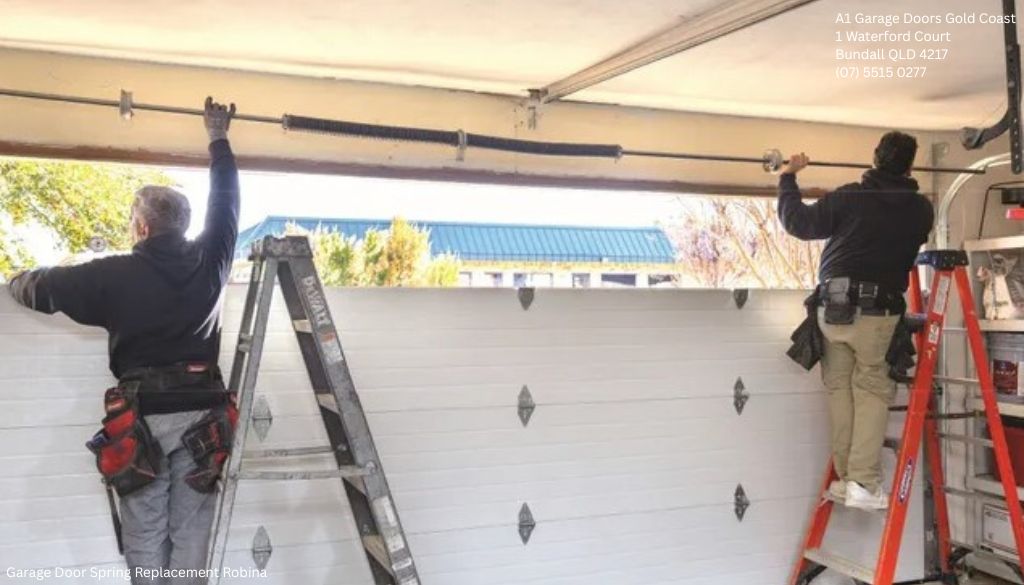
That distinction originates from recognizing when a wall is also weak for the intended anchoring, when a floor slope requires a conversation before the door rises, when spring calculations deserve a second look, and when an opener setup is concealing a mechanical fault. It also originates from appreciating the dangers included, specifically with torsion systems and Garage door spring substitute work.
For property owners, the sensible takeaway is basic. Ask exactly how the opening will be gauged and inspected. Ask whether the door will be balanced by hand prior to opener hookup. Ask what reinforcement is included. Ask exactly how the installer deals with uneven floors and weather securing. If the responses are vague, hurried, or focused only on how quickly the job can be finished, that informs you something.
A garage door is just one of the biggest moving parts on a residential property. Set up well, it really feels uncomplicated and discolors right into the history. Installed improperly, it ends up being a recurring source of noise, repair work bills, and safety and security worries. A lot of the errors over are preventable, yet just if the job is dealt with like a system, not a product swap.